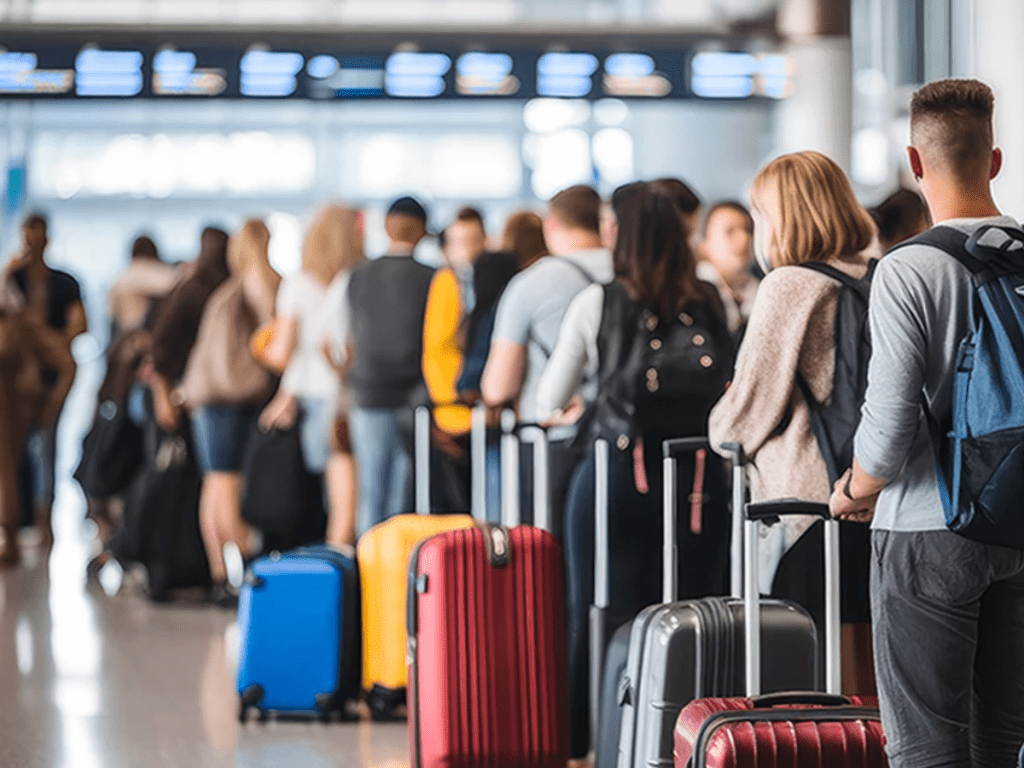
Introduction
Traveling is often an exciting adventure filled with the promise of new experiences, beautiful sights, and unforgettable memories. Whether it’s a honeymoon in Bali, a historical trip to Greece, or a business conference in New York, travel opens the doors to discovery and connection. But what happens when things don’t go according to plan? Flight delays, lost luggage, unexpected illnesses, natural disasters, or political unrest can quickly transform an anticipated journey into a stressful, expensive nightmare. In these moments, travel insurance becomes more than just a line item in your itinerary — it becomes your lifeline.
Travel insurance is often overlooked or considered unnecessary by many travelers, especially those planning short or domestic trips. However, in an increasingly unpredictable world, this assumption can be a costly mistake. Travel insurance provides not only financial reimbursement but also invaluable support when you’re far from home and in a vulnerable position. From minor inconveniences like lost baggage to major crises such as medical emergencies or trip cancellations, travel insurance is designed to protect both your wallet and your well-being.
This article explores the crucial role travel insurance plays in modern travel. We’ll break down real-world scenarios where having travel coverage can make a world of difference, explain the various types of travel insurance, and shed light on how it helps safeguard your time, money, and peace of mind.
The Hidden Risks of Travel
Even the best-laid plans can go awry. Traveling often involves coordinating multiple moving parts: flights, accommodations, transport, and schedules. It only takes one disruption to trigger a domino effect that can upend your entire trip. Here are just a few examples of unexpected travel risks:
- Flight delays or cancellations: Weather, mechanical issues, or airline staffing problems can delay or cancel your flight, leading to missed connections and extra expenses for rebooking, hotels, and meals.
- Lost or delayed luggage: Your suitcase may end up in a different country while you’re left with no clothes or essentials.
- Medical emergencies: Illness or injury while abroad can result in enormous medical bills, especially if hospitalization or evacuation is necessary.
- Natural disasters: Earthquakes, hurricanes, or volcanic eruptions can disrupt travel plans or make it unsafe to continue your journey.
- Theft or loss: Losing a passport, phone, or credit cards in a foreign country can be more than just inconvenient — it can leave you stranded and vulnerable.
- Pandemics and health restrictions: As seen during COVID-19, sudden changes in travel regulations or testing requirements can derail trips unexpectedly.
These scenarios are not rare or far-fetched. According to global travel statistics, millions of travelers each year face cancellations, health issues, or lost belongings while abroad. Without insurance, the costs can be staggering.
How Travel Insurance Works
Travel insurance is a policy that protects you from financial losses and offers assistance during your trip. It acts as a safety net, reimbursing you for covered expenses and offering 24/7 support through travel assistance services. While coverage and benefits vary based on the policy, most plans typically include:
- Trip cancellation and interruption coverage: Reimburses prepaid, non-refundable expenses if you must cancel or cut your trip short due to covered reasons like illness, injury, or emergency.
- Medical expense coverage: Covers medical treatment, hospitalization, and in some cases, medical evacuation if you become ill or injured while traveling.
- Baggage loss/delay coverage: Provides reimbursement if your baggage is lost, stolen, or delayed, helping you replace essential items.
- Travel delay coverage: Reimburses costs such as meals, accommodations, and transportation when you’re delayed for covered reasons.
- Emergency evacuation and repatriation: Covers transportation to a medical facility or your home country if medically necessary.
- 24-hour assistance services: Many policies include a hotline to help with rebooking flights, finding doctors, replacing lost documents, and more.
Real-Life Scenarios Where Travel Insurance Saves the Day
Let’s walk through a few examples that illustrate the impact of having travel insurance.
1. The Delayed Honeymoon Flight
Imagine a newlywed couple traveling to the Maldives for their honeymoon. Their connecting flight in Dubai gets canceled due to a sandstorm, leaving them stuck at the airport for two days. Without travel insurance, they would have to pay out of pocket for hotel stays, meals, and rebooking their next flight. However, their travel insurance covers these additional costs and even assists in rebooking their resort stay so their honeymoon isn’t ruined.
2. Medical Emergency Abroad
A solo traveler hiking in Peru experiences severe altitude sickness and needs emergency evacuation to a lower altitude hospital. The hospital bills and air evacuation total $15,000. Thanks to her travel insurance, the entire amount is covered, and the insurer coordinates with the hospital directly, saving her from stress and out-of-pocket expenses.
3. Family Emergency Cancels Trip
A businessman planning to attend an international conference in Germany must cancel his trip last minute due to a family emergency. His flights, hotel bookings, and event fees are non-refundable. Because he purchased a trip cancellation policy, he’s able to recover most of his losses.
4. Lost Passport and Wallet in Europe
A tourist in Rome loses his wallet and passport in a pickpocket incident. Travel insurance provides immediate assistance in contacting the embassy, getting emergency funds, and replacing lost documents. Without it, he would have faced delays and complications trying to return home.
The Emotional Value: Peace of Mind
While financial protection is critical, travel insurance also offers peace of mind. The ability to enjoy your trip without constant anxiety over “what if” scenarios is invaluable. Knowing that help is just a phone call away when you’re in a foreign country, perhaps unfamiliar with the language or healthcare system, can make all the difference.
Additionally, travel insurance offers travelers access to support services that would be nearly impossible to coordinate on their own. These services may include translators, emergency medical referrals, legal help, and evacuation logistics. This support is especially important in remote destinations where resources are limited.
Common Myths and Misconceptions
Many travelers avoid buying travel insurance due to misunderstandings about its usefulness or cost. Let’s debunk some of the most common myths:
- “I have health insurance, so I don’t need travel insurance.”
Most health insurance plans don’t cover medical expenses abroad, or they cover them partially. Travel insurance bridges that gap and includes additional services like evacuation or coordination of care. - “It’s too expensive.”
Travel insurance usually costs between 4% to 10% of your trip cost. For a $2,000 trip, that’s $80 to $200 — a small price to pay for potentially thousands in protection. - “Nothing will go wrong on a short trip.”
Even short trips can be disrupted by weather, illness, or accidents. Travel insurance is just as important for a weekend getaway as it is for a month-long journey. - “Credit card benefits are enough.”
While some credit cards offer limited travel protections, they rarely include comprehensive coverage like emergency medical or trip cancellation due to family emergencies. Always read the fine print.
Types of Travel Insurance Plans
Travel insurance isn’t one-size-fits-all. You can choose from various plans tailored to your needs:
- Single Trip Insurance: Ideal for one-time vacations or business trips.
- Multi-Trip Insurance: Perfect for frequent travelers who take several trips per year.
- Group Insurance: Covers families or tour groups traveling together.
- Specialty Plans: These include adventure sports coverage, cruise insurance, or student travel insurance.
Many providers allow you to customize your policy by adding extra coverage like “cancel for any reason,” rental car protection, or high-risk activity coverage.
How to Choose the Right Travel Insurance
Selecting the right policy depends on your destination, the nature of your trip, and your personal needs. Consider the following when shopping for a plan:
- Destination risks: Are you traveling to a country with high medical costs, political instability, or natural disaster risks?
- Your health condition: Do you have pre-existing conditions that need to be covered?
- Activities planned: Are you engaging in adventure sports like scuba diving or skiing?
- Trip cost: How much are your prepaid and non-refundable expenses?
- Policy exclusions: Always read what’s not covered. Common exclusions include pandemics, reckless behavior, or non-disclosed pre-existing conditions.
When Should You Buy Travel Insurance?
The best time to purchase travel insurance is right after you book your trip. This ensures you get full coverage, including trip cancellation benefits. Some insurers have time-sensitive benefits, such as coverage for pre-existing conditions or cancel-for-any-reason clauses, which may only be available if you buy the policy within 14–21 days of your initial trip deposit.
The Growing Relevance of Travel Insurance
The COVID-19 pandemic underscored just how unpredictable travel can be. Millions of travelers faced trip cancellations, border closures, mandatory quarantines, and medical emergencies. Many who lacked insurance struggled to recover their money or get the support they needed abroad.
Today, many countries require proof of travel insurance for entry — especially policies that cover COVID-related medical treatment. The travel landscape is changing, and insurance is no longer just a recommendation; it’s often a necessity.
Conclusion: The Smart Traveler’s Safety Net
Travel insurance is not just an added expense — it’s an essential tool for smart travelers. In a world full of uncertainties, from missed flights to medical emergencies, insurance gives you control over the uncontrollable. It saves you time by offering quick solutions, saves you money by reimbursing costly losses, and protects your peace of mind so you can focus on enjoying your journey.